|
|
|

|
Miniature Horse Halter Class Training Halter Class is one of the most popular classes in Miniature Horse Training. Training your filly won't be easy, in fact, it's ha 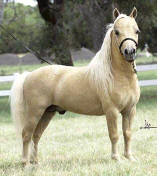 rd work. We put together a few tips that may become helpful for you. rd work. We put together a few tips that may become helpful for you.First things first. Make sure your filly has learned to walk freely on the lead and can stand square on command. Teach them slowly as young horses can only learn a few steps at a time and it is easier in the long run to work on one thing at a time. The hardest part on training your horse is getting their neck to stretch and their ears to perk. Treats work very well most of the time for the neck, but sometimes you have to have something else to get ears perked. We discovered that anything a horse isn't very familiar with will do the trick; whether it's two hair scrunchies rubbing together or anything that makes noise. Teaching your miniature horse to stretch its neck out while staying in position will take time and patience, but it will work! The best way to start is to hold your hand out with some treats so your horse can sniff at it, and all the while they keep their feet in the right position. Give your miniature horse the treats about a third of the time to let them know they did a good job. Otherwise, a horse reaching for that treat that they know they won't get, often will just poke their head forward if you don't teach them what it is that you want from them. While teaching your miniature horse to stretch its neck, make sure you don't make the mistake of not being able to tell a stiff, "stretched" neck with a horse that is using their whole body to lower their frame. You need to position their weight over the shoulder and hip, then lengthen the neck and relax the poll. That's it! Those are all the attributes of a true stretch that will enhance your horse's confirmation. Step 1: Urge the horse towards you, allowing them to take one step forward. As soon as they have their weight over their leading leg and are ready to take the next step ask them to stop. Step 2: The horse will instinctively pull up the other leg opposite the leading leg followed by the rear leading leg and opposite rear leg - the horse will have already lowered its frame in one to move forward. Step 3: If the horse continues to hold its lower frame, reward it with a pat or treat. Step 4: In time and with much practice the horse will know that the treat or rattle is not only to get their attention, but to perform a specific task. Make sure to perform this position daily so it doesn't became a chore for your horse, but a part of the daily schedule. Never make your horse hold a pose for more than a few minutes at a time and be sure to reward them with pats and treats. |